

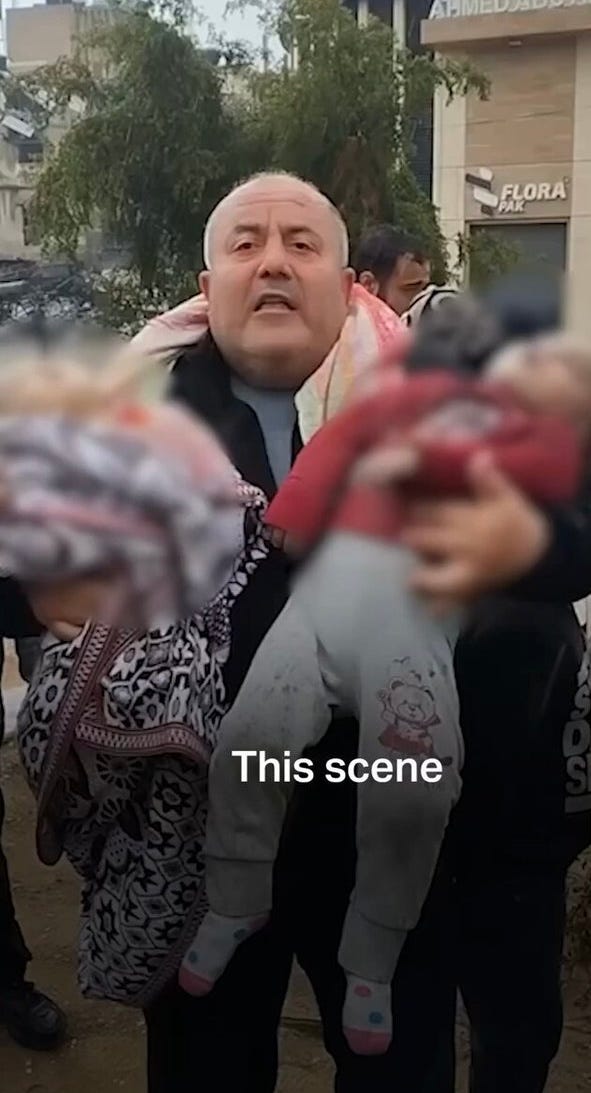
It’s safe to say that we’ve lost count of the number of unforgettably jarring images we’ve seen over the last six months. However, something about this Palestinian man with his two murdered children—one in each arm—asking what on earth they did to deserve this haunts me, and I think it’s because he vividly reminds me of a woman I met in Syria almost ten years ago.
The car pulled up to an apartment building in the Kafr Sousseh district. I was quite familiar with the area because some few years earlier, one of the largest malls in the city opened here and I was ecstatic! To me, it was a sign of hope, that this home—where I may not have been lucky enough to be born but privileged enough to visit often—was beyond growing. I don’t know that any of us really anticipated the 180.
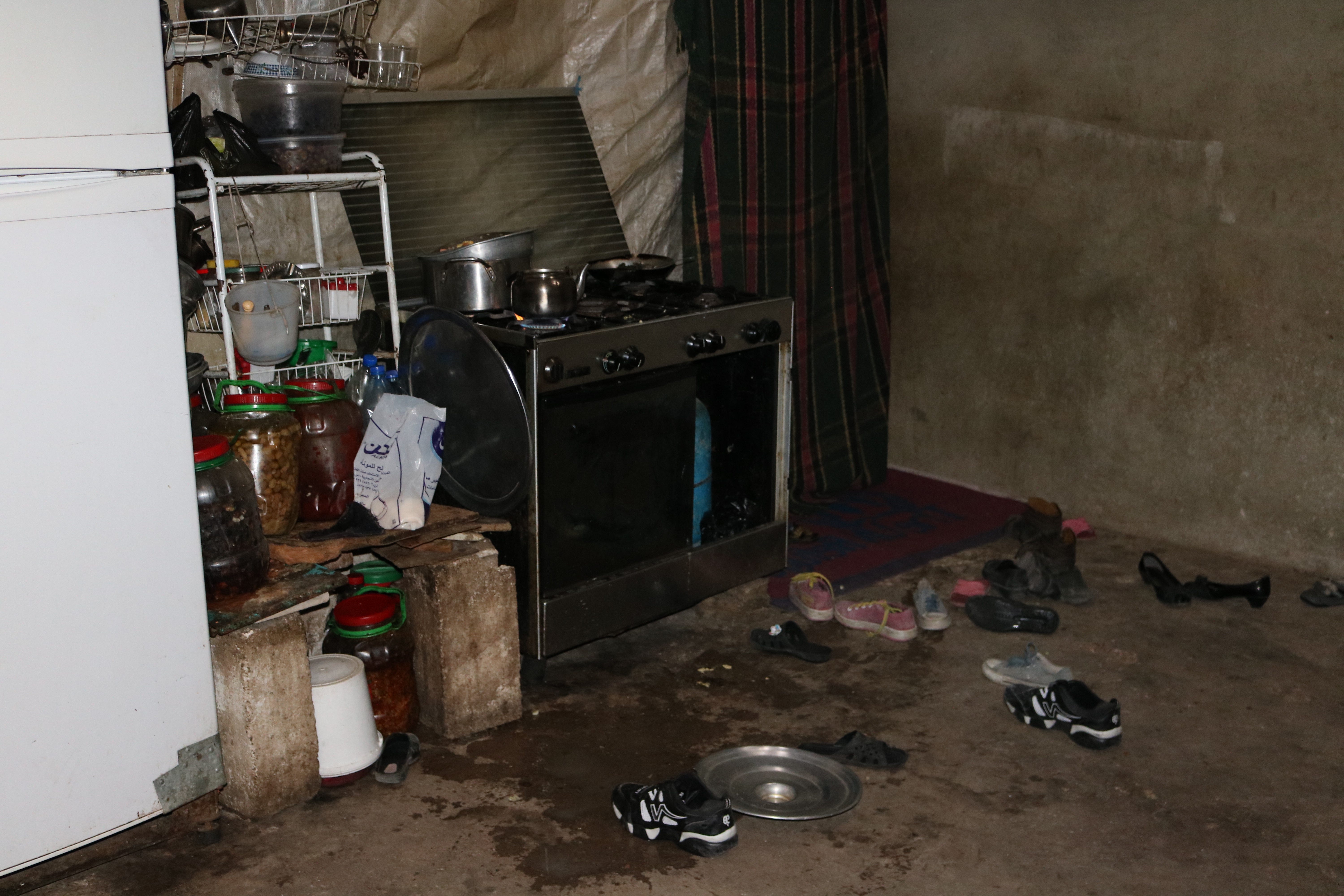
“This place you’re going to see next is actually the underground parking garage for the residents of the apartment building. But we were able to acquire ownership of the space to convert it into a makeshift shelter for more displaced Syrians.” A few days earlier, I had visited a school building on the outskirts of Damascus that was converted into a shelter; and while it had consisted of some remarkably innovative designs, the moment I left, I burst into tears. No one should ever be forced to live in such conditions, I thought, not realizing soon enough I would witness worse.
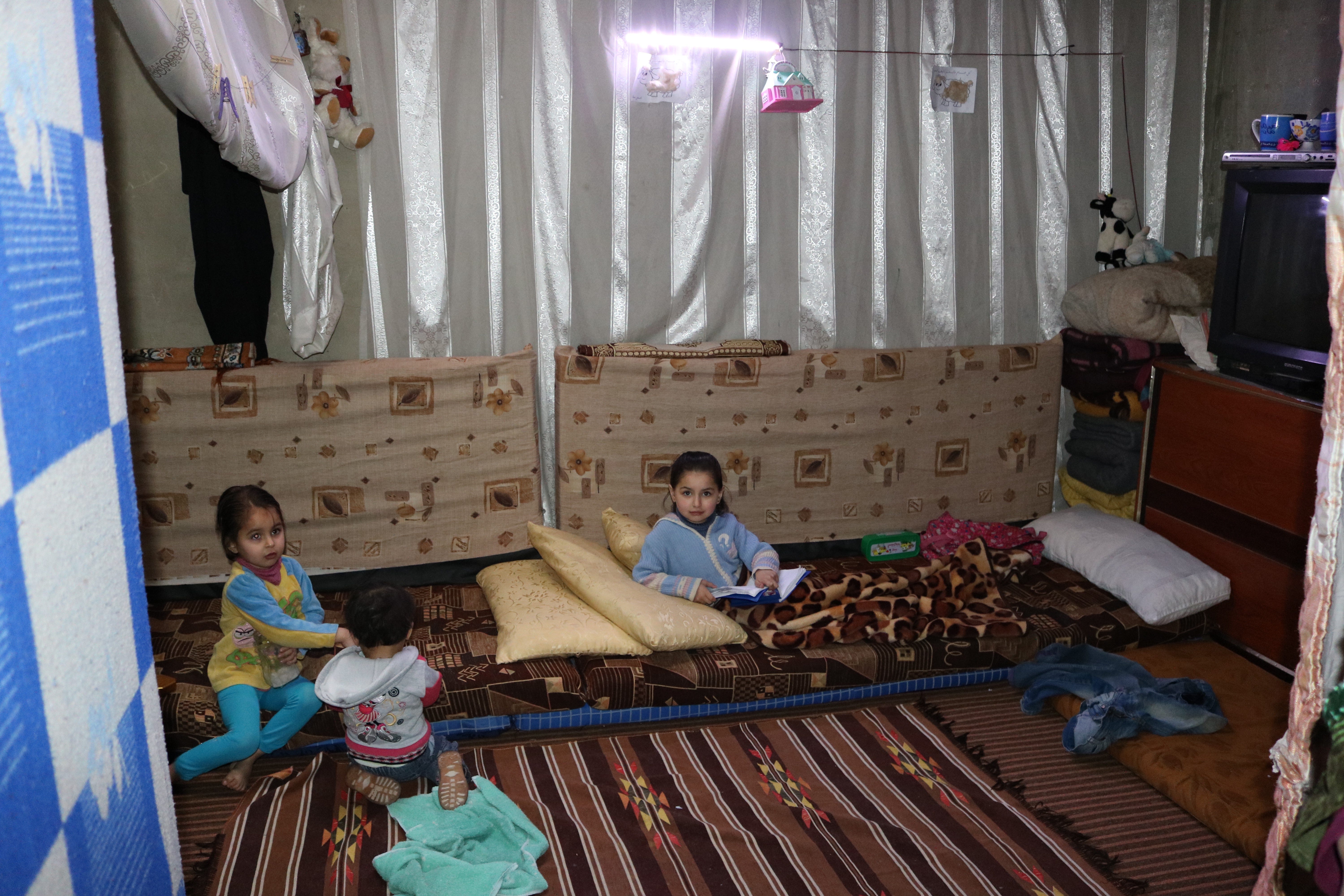
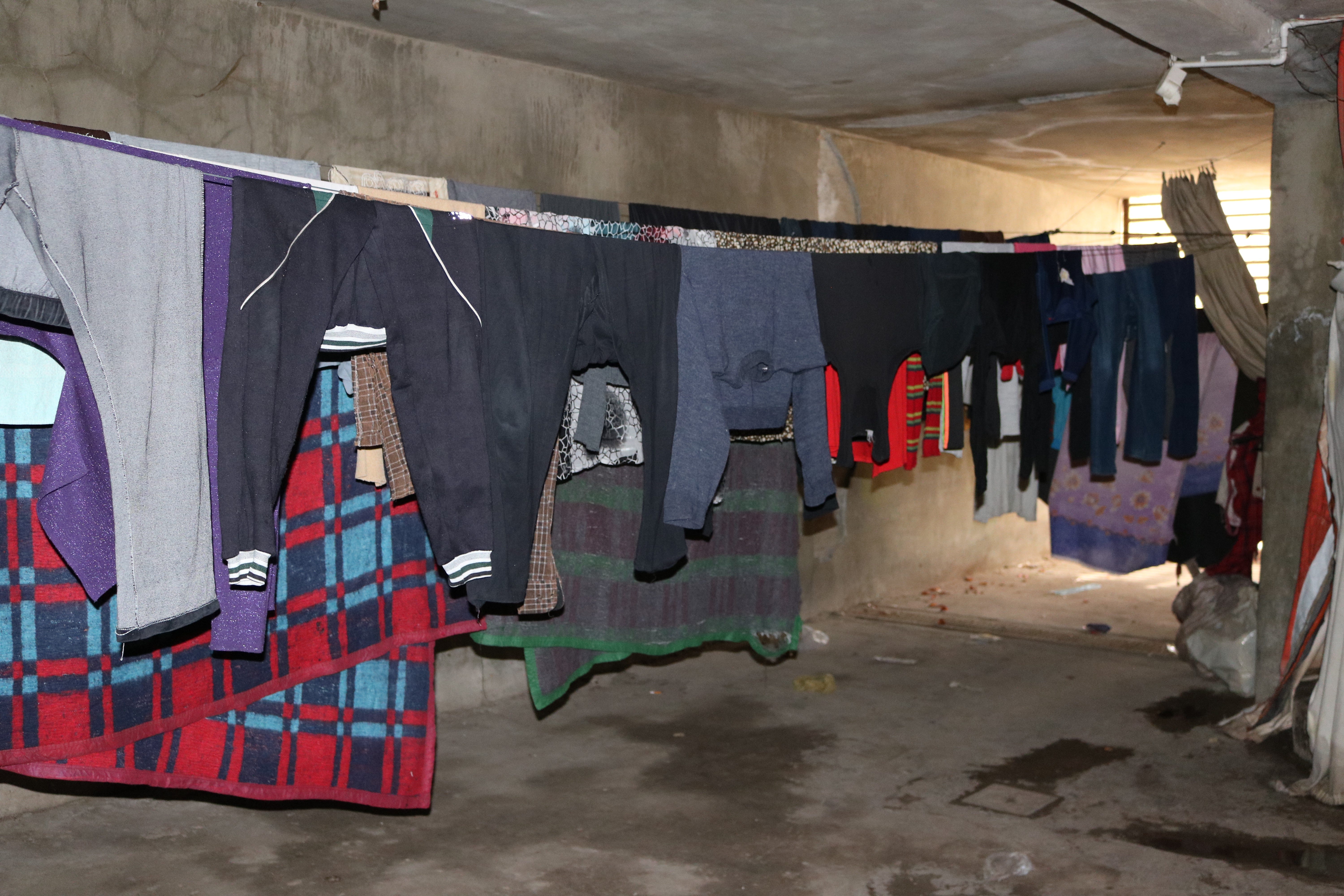
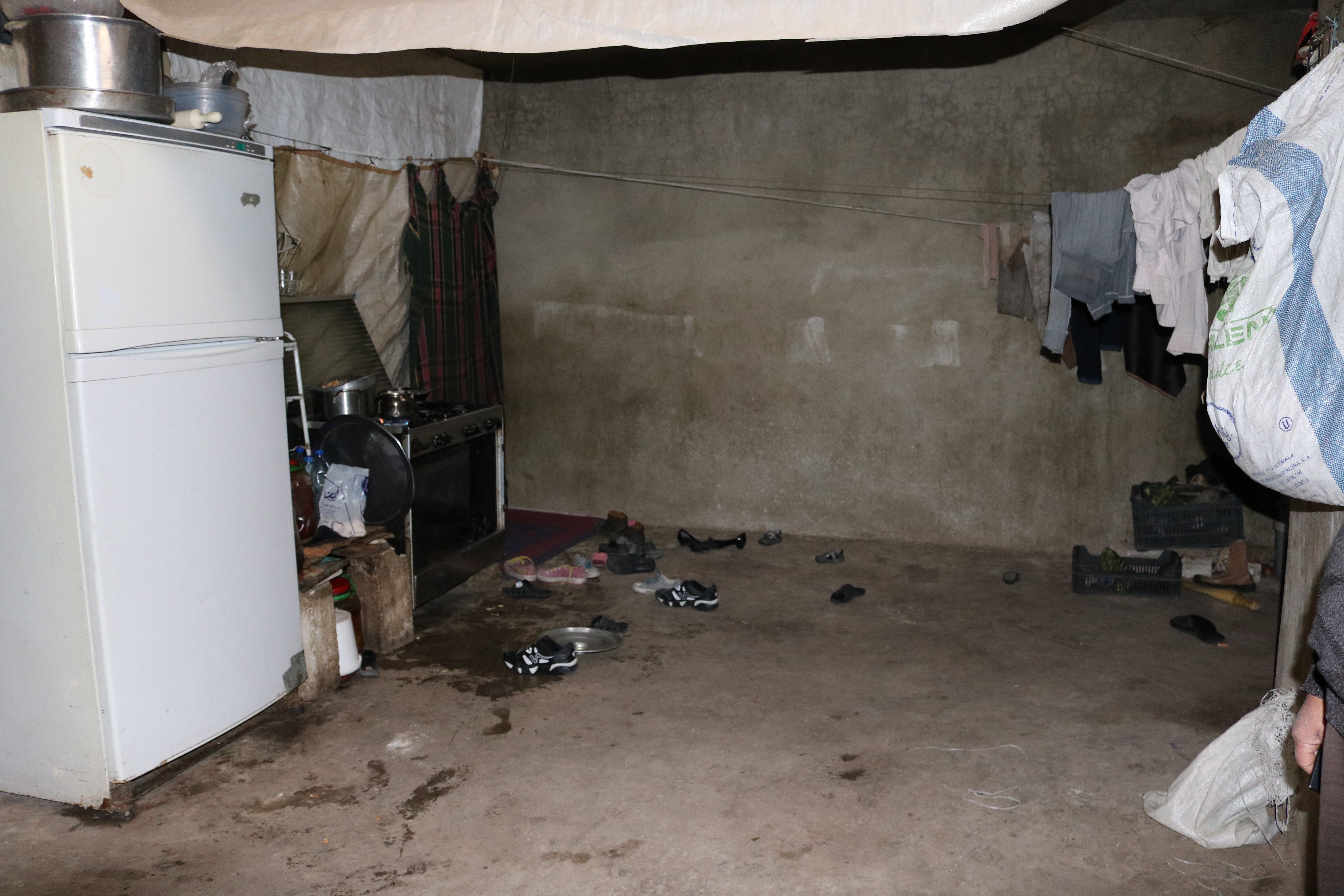
Parking garages are known to exacerbate current weather conditions, so the brutal winters of Syria become colder and the atrociously hot summers become unbearable. Those were my first thoughts as we walked in to the muggy air and puddle-riddled space where multiple families were living. Plastic tarps strung over clotheslines represented the walls separating each family’s “home.” The families were provided with community fridges and stoves, as well as basic living essentials like sleeping mats, blankets, lights, portable heaters, and cooking utensils.
Despite being permitted to take photos by the admin team, I sought out consent from the people actually living under these circumstances. One woman, wearing a black pleated skirt, a white button down shirt, and a printed square scarf, led me to her home in the far left corner of the parking garage. She had two young children who had found refuge in each other, and explained how she worked hard to try and keep up their spirits.
“Why do you want take pictures?” she asked me seriously. I look back at this moment now, enveloped in disappointment at the world. We have failed humanity so badly it’s almost difficult to believe the concept even exists. “I want to document this reality. I want to take it back to my communities in America and show them what is happening on the ground. I want the world to see, to know, and to take action.” She laughed, scoffed really, and said, “Because the world doesn’t know about us?”
What could I say? I knew she was right. Who didn’t know about them? Who doesn’t know about what’s really going on? Especially today, in the world of social media’s instant post and share. I couldn’t blame her defeatist attitude, and I think of her almost everyday when I question the world. I thought of her every minute I was in Syria, especially when I saw how less than two miles away from where she and her two children were living, the wealthy Syrians partied nightly in the restaurants and cafes till 4-o’clock in the morning. Blasting music so loud it almost drowned out the sounds of bombs and bullets being fired mere miles away. Hosting lavish events with lengthy spreads whose leftovers alone could feed the entire community in that underground garage.
The disturbing thing is this still happening, despite the ongoing inhumane conditions in Syria and Palestine. I finished my MBA a few days before Ramadan, and the number of people who not only asked but insisted I throw a party and invite them, is disturbing. Who has the audacity and capability to party right now? It’s utterly important for us to realize that we, in the safer realms of this world, are being tested just as much as those under fire in Palestine, Syria, Sudan, Congo, and so many other regions. God is testing us to see how much we are willing to sacrifice. To change. To let go of. How we will assure each of these mothers and fathers and children that none of their suffering is in vain.