

Every morning, I’d hear the announcements across the PA system of my middle school. The usual things — pledge of allegiance, upcoming dances, fire drill reminders, pep-rally times, and holiday greetings.
Whenever I heard “Merry Christmas” or “Feliz Navidad” or “Happy Hanukkah” or other announcements and wishes in Spanish or Mandarin, I felt a little pang in my heart. What about us?
That’s what I asked my mom on our short ride home. “Why don’t we get a “Ramadan Mubarak” or “Eid Mubarak” or “Sabah el Khair, junior oilers!’”
I knew I wasn’t the only Arab or Muslim on campus, but we were a small bunch — less than five (to my knowledge in the three years I was there). Only one of those three years was there another Muslim girl who wore a scarf, and she is someone I grew up with who ended up transferring schools the following year.
Having community and visibility felt like an extreme need at that point (this was during the September 11th era). Though most of my teachers personally approached me to emphasize I would always have a safe space with them/in their classrooms, having a place — visibility — among my peers, who were receiving daily affirmations in the form of morning announcements, was essential.
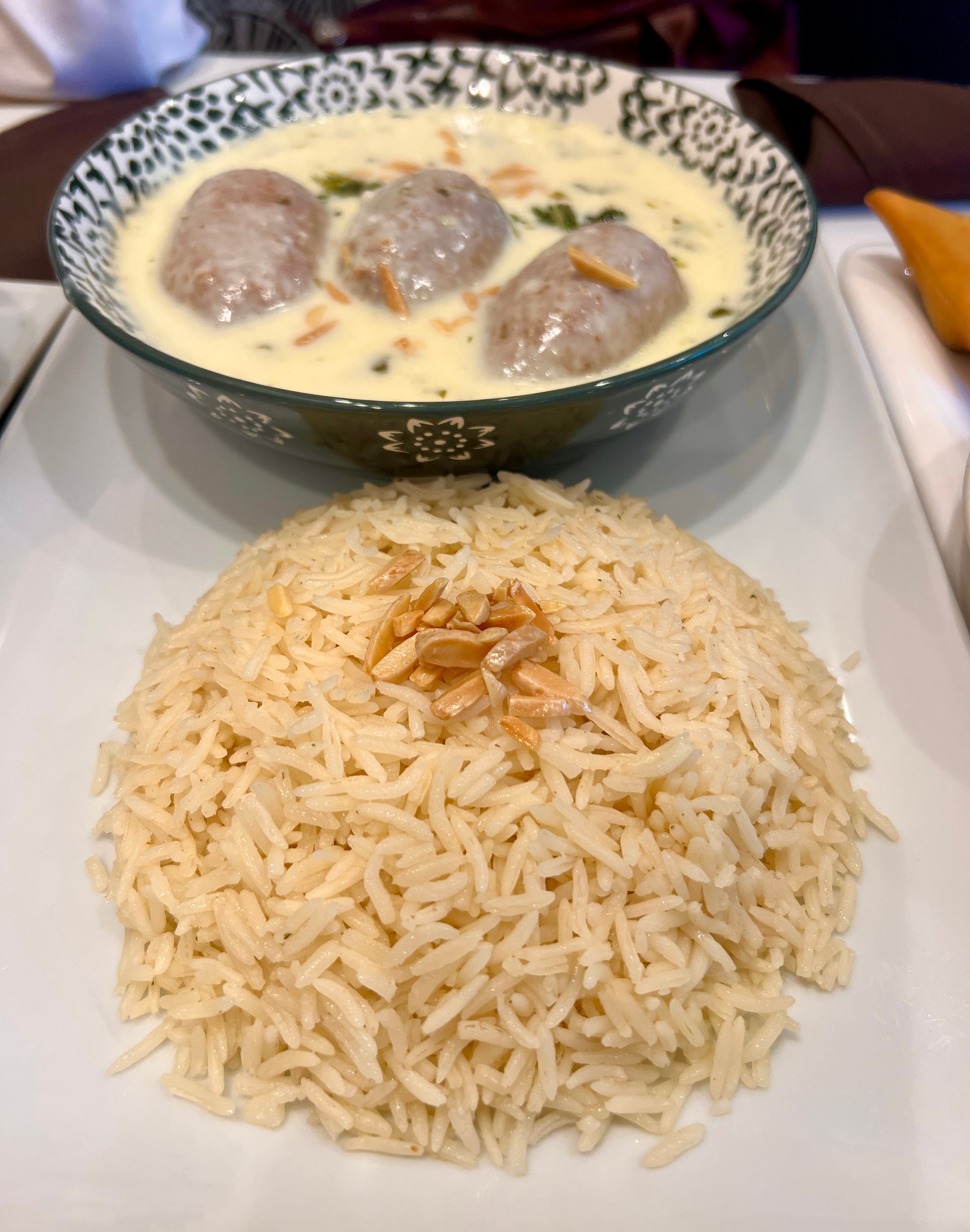
“Why not ask them?” my mom said, as she peeled the garlic in our kitchen, preparing mlukhiyeh for dinner as I finished my rant. “Ask them?” I said, a little puzzled at the simplicity of the act. “Yeah. Talk to the administration office and see what they say.”
Bureaucratic red tape starts early, folks. At first the person in the admin office sent me to the ESL classroom to talk with the instructor. “That department handles other cultures and languages.” Then the ESL teacher told me that since we’re so few, we don’t need representation like the “hispanic students” on campus so it’s not a priority.
(Later, when I wanted to try out for the volleyball team but was told my modest clothing wouldn’t work because we would be required to wear the booty shorts and t-shirt during practice and games, I was not at all surprised.)
The thing about me is I’m beyond determined — I’m a stubborn badass. Plus, once you tell me I can’t have something (that I know is valid and ethical and justified), oh I will push like no tomorrow. And I pushed, hard!
Relentless, I followed up again and again with the admin office, laying out the facts for my case and nailing closing arguments until I got the green light. I was ecstatic, but also slowly becoming enveloped with nerves at the fact that in a few days, I would have to grab that microphone at the start of homeroom and speak, in Arabic, to my ENTIRE school!
Giddy, I got home and told my mom I was going to need her help perfecting the script of my Arabic greeting and holiday wishes. So after finishing my homework, enjoying a delicious Syrian home cooked dinner, and feeling the whirring thoughts of what I would say, mama and I sat down and began writing.
For those who don’t know Arabic, classically it’s written without “tashkeel” (or the little notations that give a reader guidance on the phonetic flow of the pronunciation — like the vowels in English). But for those of us who grew up in a foreign land — despite Arabic often being our first language — tashkeel becomes a necessity to be able to read fast enough. I’m at a point now where I can manage without it, but the speed and ease with tashkeel is night and day, and back then, I NEEDED them.
Despite rehearsing over and over, when the big day arrived I was petrified. Why did I do this to myself? I dropped off my backpack and books in my classroom early and made my way over to the administrative office.
The girl from student council — who did the daily announcements solo — was still going to join, as I was only given 30-40 seconds to share my little Arabic tidbit, but I was grateful. This was the first step for everyone. It was the first step in making my school admin aware that we exist and we matter, regardless of how small our population is. This was the first step for the other Arab and/or Muslim students on campus — even ones I may not have known — who heard something about their culture and faith finally represented especially under turbulent times. And it was the first step for me, realizing I am allowed to make space for my voice and identity.
Twenty-two years later and I remember this every time I even think of hesitating about taking up space or being represented. Every single day we witness representation of other communities in media and fashion and music and so much more, but accurate and beautiful representation of Arab and Muslim voices fall behind. While a majority of the blame falls on the ignorant and the oppressors, we also have to acknowledge the blame that lies in our own moments of hesitation. In our inability to take my mom’s simple advice of why not try.
The last 13 months, however, have been solid reminders for us to steal back our space. We owe it to not only our communities, but to our brethren fighting justifiably for a #FreePalestine!