

Everything My Name is Not
A jawbreaker in an open mouth
The first appearance of light before sunrise
An abbreviation
of our unfortunate president elect’s first name
A rhyme to Shania (Twain)
Nick-nameable
Shorten-able
Bleach-able, like teeth,
in a fake smile
that houses a tongue, too stiff
to enunciate a name
that has never been too hard
to pronounce.
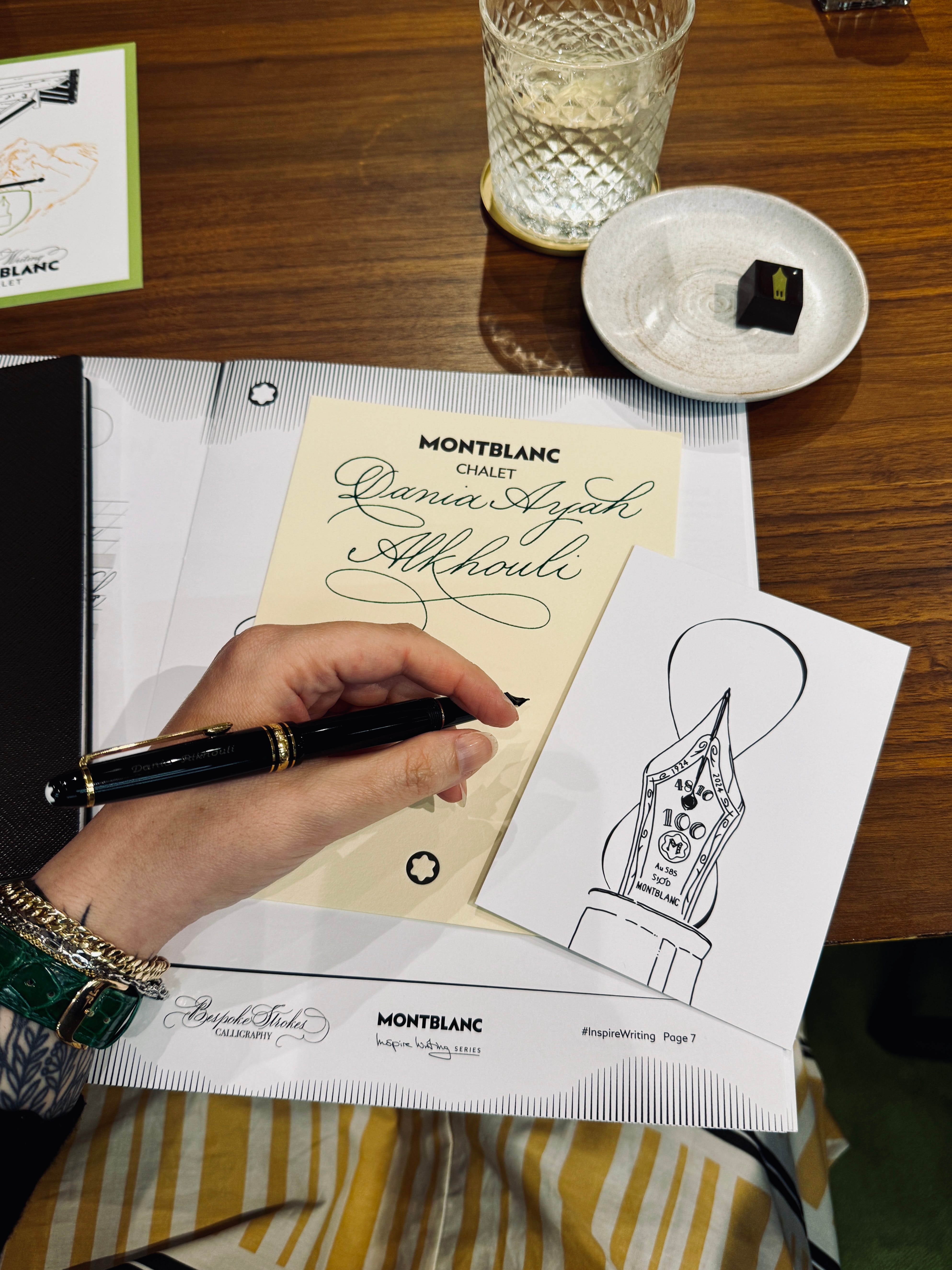
We were in the middle of our poetry workshop, and everyone was wrapping up their written and verbal notes for the poet next to me who had just finished reading her piece. I knew I was next.
“Alright, Dawnya, let’s take a look at yours.”
I’ve been hearing my name butchered like this for 35 years, being born and raised in a country that does not speak my first language. I put up with it (painfully) for decades, but there was something in that moment — be it a culmination of socio-political turbulence or having just experienced my first love (and loss of said love) or redeveloping my sense of inclusive community — that pushed me to a tipping point.
“Um, actually, I have to say, I’m a little uncomfortable hearing my name consistently mispronounced.” I let out a nervous laugh, petrified of how receptive the (majority white) group would be to my sudden outburst, considering I had known many of these poets for years. But despite introducing myself with the correct pronunciation, and repeatedly saying my name in the correct pronunciation, they always kept saying it DAWN-YUH or DONNY-UH, a sound my ears can no longer bear.
These don’t include the other ways my poor beautiful name is mutilated: Diana, Dina, Dayniuh, Da-ny-uh (like Shania), Danielle, Daniel, and one time, Vanilla — but I blame that on my teacher’s poor penmanship and the substitute teacher’s poorer vision.
“I know I’ve never corrected anyone before because in the past it didn’t make a difference, but I am now. My name is pronounced Da-ni-yah, please.” I was drowning in sweat. I could feel my clothes clinging to the folds in my body. My face must have been red because the heat that radiated from my cheeks was burning. And it baffled me that I felt nervousness and almost a sense of shame for asking for nothing more than my right to hear my name pronounced as it should be.
The room fell quiet, like every thick gulp could heard being swallowed down every dry throat — mine included. “Oh, um, okay, Daa-nee-yah. Got it. I will keep that in mind. Thank you.” The instructor smiled at me and a part of me felt guilty. The part of me that is woman and the part of me that is a woman not white. You know those parts, that feel guilty for taking up space even when we deserve more space than we imagine?
It’s been a few years since that day, and little has changed. Many of the people in that room went back to calling me DAWN-YUH/DONNY-UH a year or so later because, well I don’t know, tongue atrophy? I swear when I introduce myself I say it right, but in the millisecond between when those five letters strung together leave my mouth and arrive at the doorstep of foreign ears, the phonetics get lost.
Maybe that’s why I always preferred dating and eventually marrying someone from within my culture, and specifically an Arab from the Levant region (because even my Egyptian ex-husband and his family could never quite correctly pronounce my name either — for almost two years I had to hear myself being called Den-yuh, and it tortured me as much as the abuse did).
There’s something about being in an intimate relationship and connection with someone who knows exactly how those five letters fit together, what they mean, and how they embody the person who carries them as an identity. There’s something about not having to explain to my love that my name appears three times in the Quran and that its definition feels like a destiny to the life I’ve found myself living.
But then I remember I live multiple destinies and maybe an eternity of teaching, educating, and reminding is another destiny I have to carry. Maybe with time I can start to hear my name correctly roll off foreign tongues. The way that it did when I took a chance and went out on a few dates with a non-Muslim non-Arab boy earlier this year and he asked me in the first few minutes, “Hey, how do you say your name?” and within seconds he had mastered it. So well, I have to add, that even when we had our third date almost six weeks later, he called out my name from across the street and it was chef’s kiss flawless. Maybe with time I can find myself surrounded by people who take their time to listen when we introduce ourselves to catch the subtle accents and dips in between the teeth of our names and honor them.
And maybe, maybe soon enough, we will hear Palestine pronounced correctly — #FreeFilasteen!